
Guajira Route
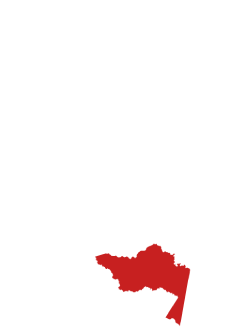
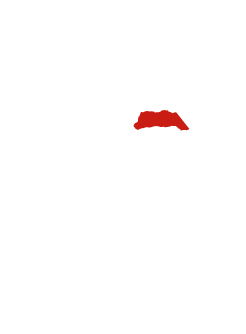
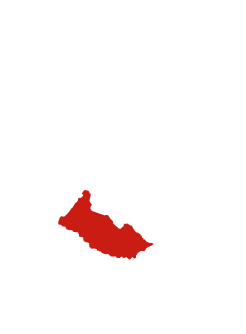
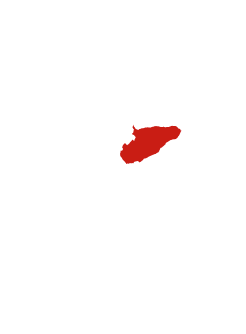
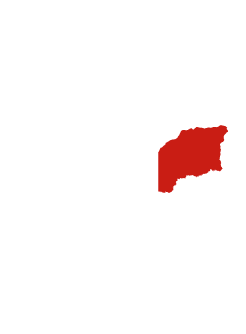
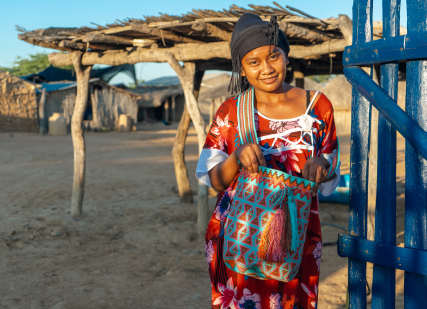
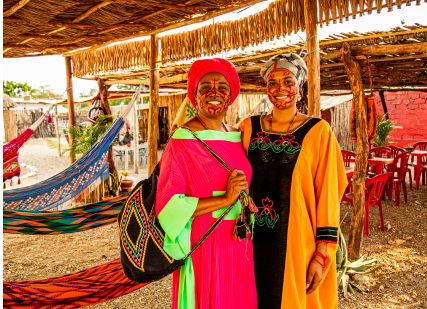
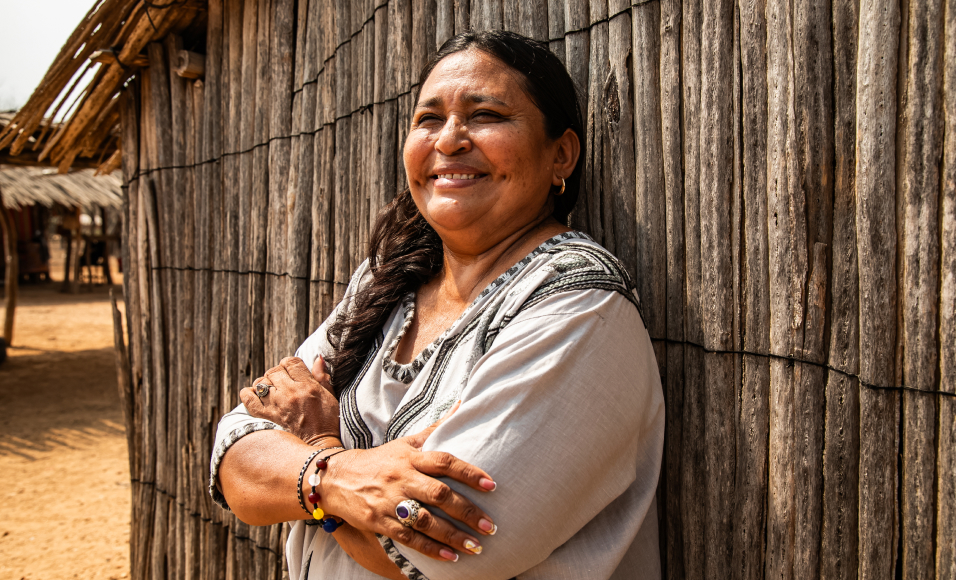
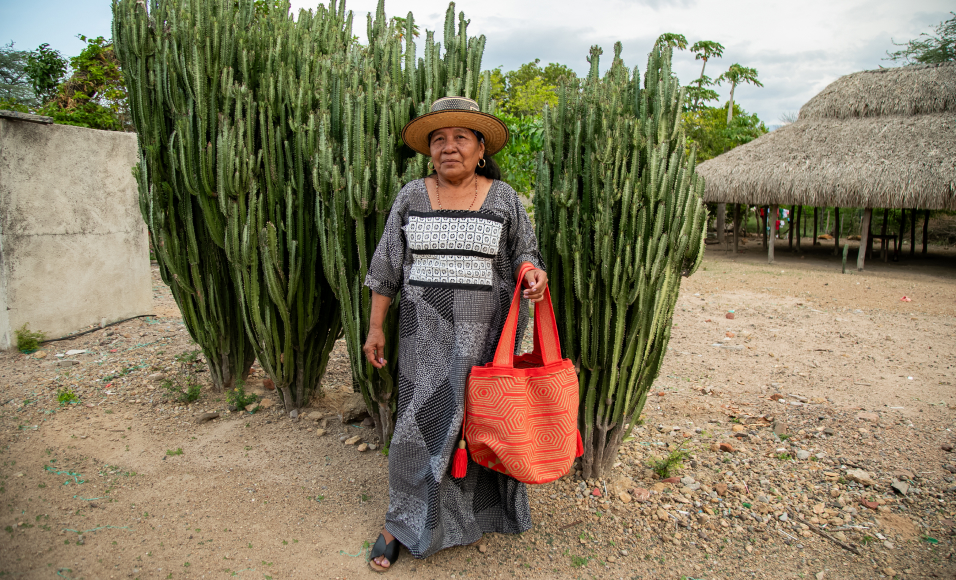
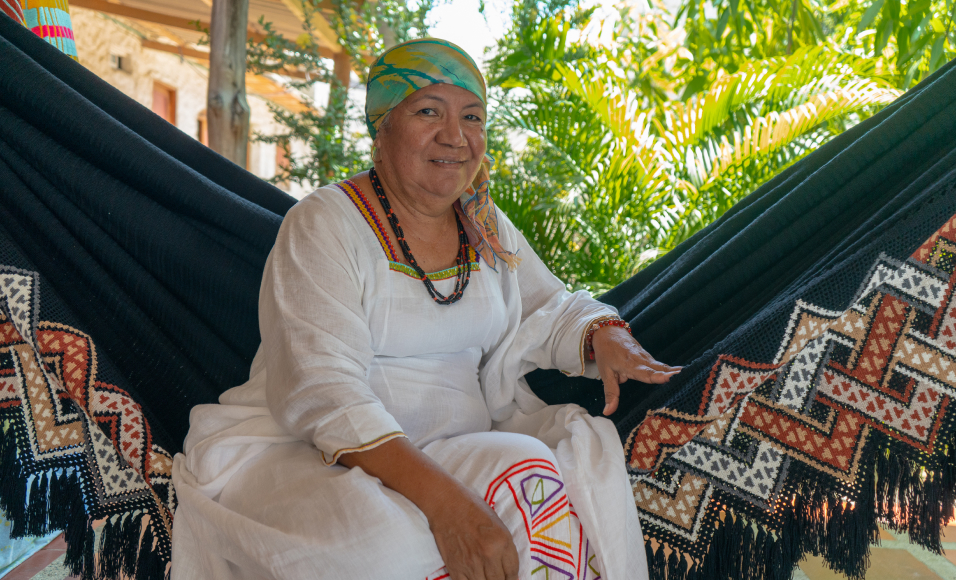
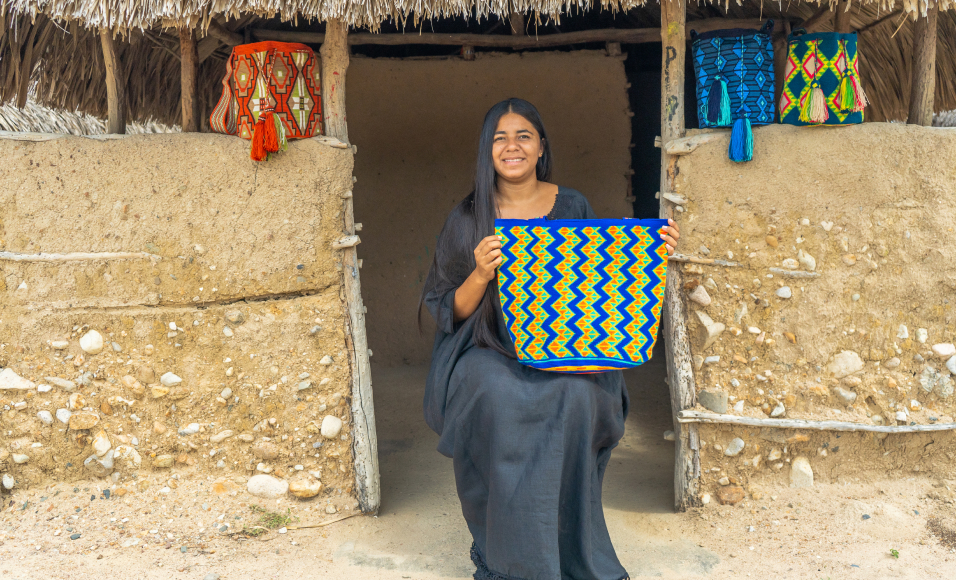
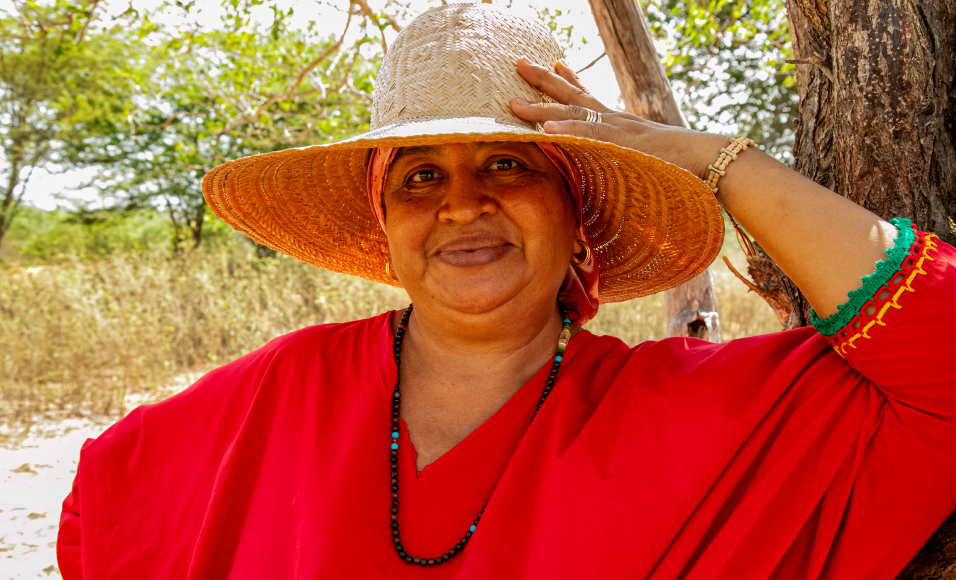
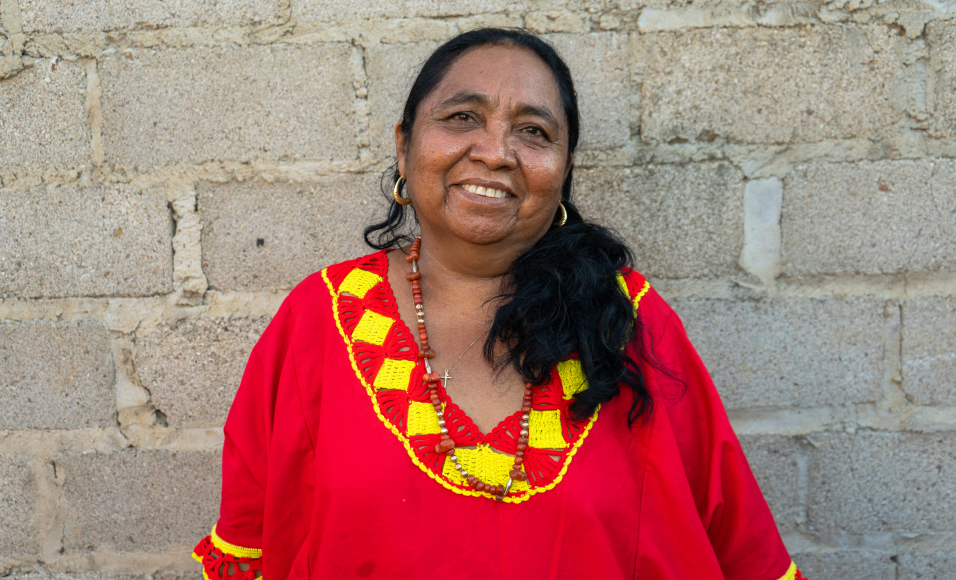
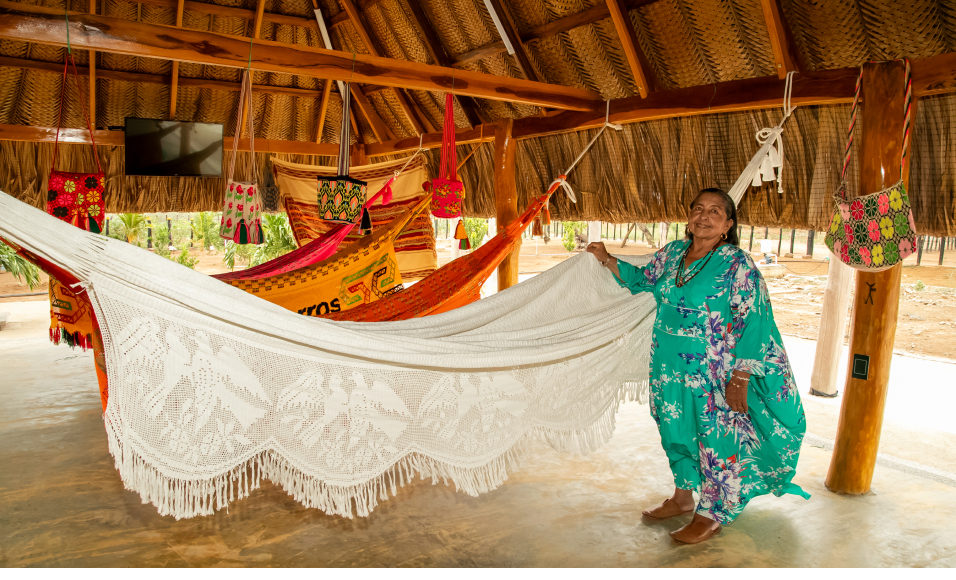
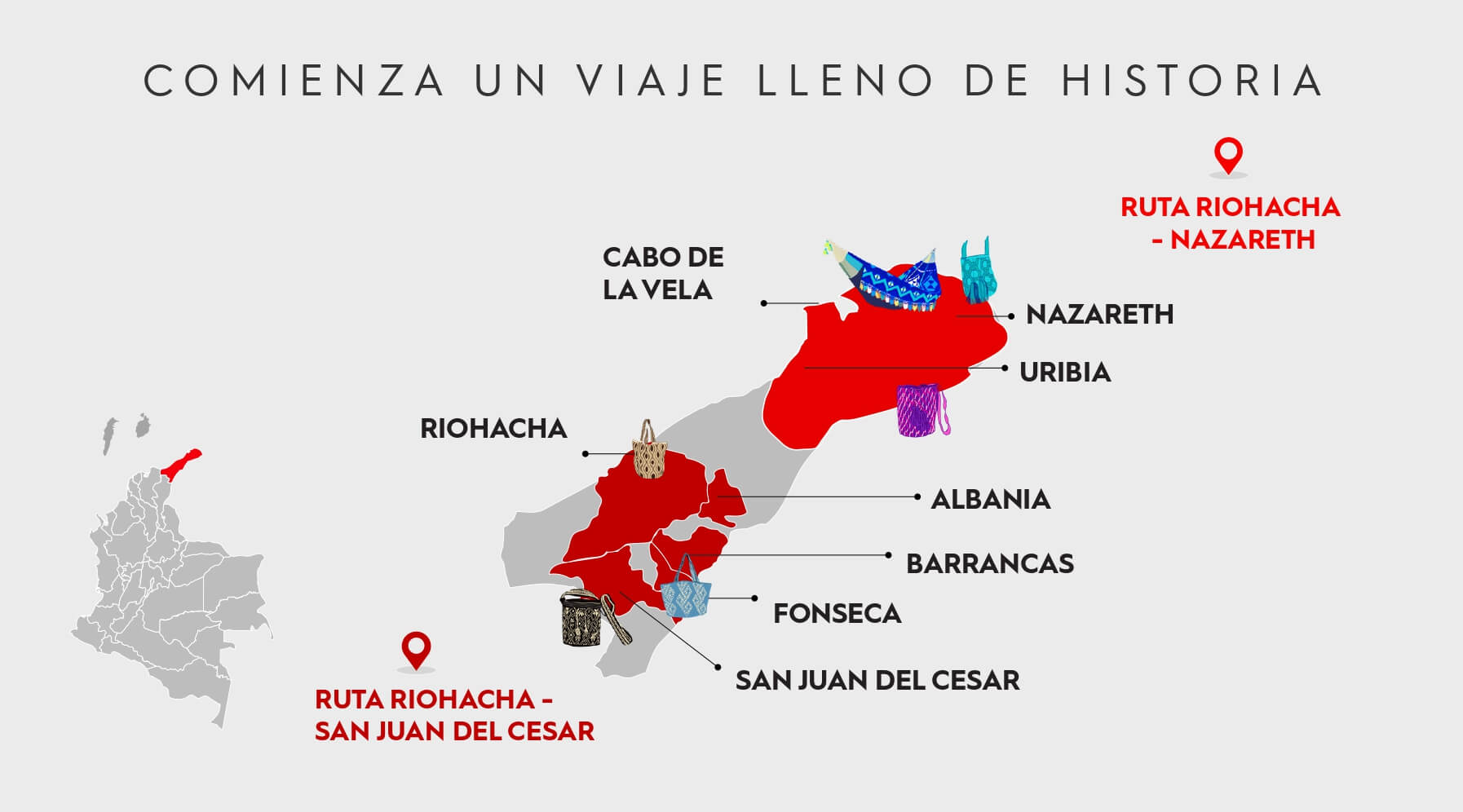
This route invites you to understand the profound significance dreams hold in life. We often overlook or forget them, not allowing ourselves to embrace them and uncover their deep meanings. However, for the Wayúu culture, dreams are the essence of their cosmogony, since it’s in their realm where thought is woven and later translated into the textiles of the master artisans and their descendants. Each stitch gives us clues about their environment, daily life, climate, or state of the soul. To them, a craft is more than just a craft. For instance, the chinchorros accompany a Wayúu from birth to death. It will be there during every stage of life, one for embracing, rocking and covering him, another for sharing, begetting and resting, and a final one that will accompany him in his journey to the afterlife. The craft of weaving holds such value in this matrilineal culture that young girls are secluded to learn the secrets of the loom and the responsibility of becoming adults, right after their menarche. This journey through La Guajira, traversing from south to north, from San Juan del Cesar to the Alta Guajira, will allow you to see how life is embraced in the inland rancherías, the savanna, and by the sea. You will also discover how powerful women assume leadership within their communities. This journey offers an exceptional and magical experience, as the gift of words and poetry is deeply cultivated in this community.
ARTISAN TRAILS IN La Guajira
Embark on a journey full of history
Traditional cuisine
and typical bites
Provoke yourself
Don't leave without eating this 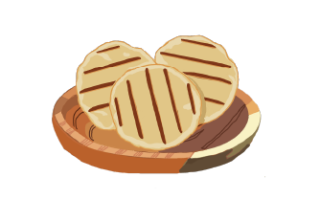
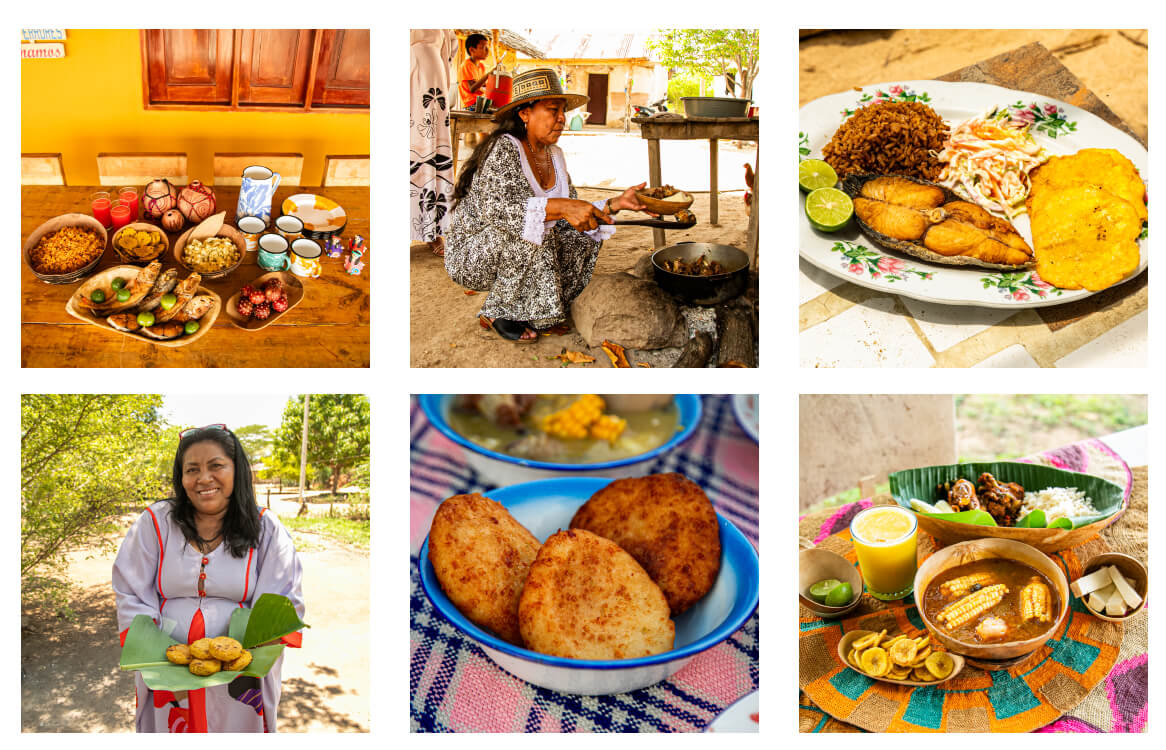
Goat is central to Wayúu cuisine, and there are many ways to prepare it, with friche being the most traditional dish. This dish can be found all over the department, usually prepared for special occasions or to delight visitors. It is made using the meat and offal of the goat, cooked in its own juices with just a pinch of salt. The dish is then fried in its own fat until it becomes golden and crispy. In the past, the goat’s blood was added during cooking, but this practice has changed. It is typically served with cassava or bollo limpio (a type of cornmeal envuelto made from soaked white corn, cooked, ground, and wrapped in corn husk or banana leaf before being boiled) or with corn arepas, which are made from the same dough as bollo limpio, but grilled over charcoal. If you want to try this dish, you can arrange a meal with several Wayúu artisans along this route, such as Aura Robles, Olga Guauriyu, María Teresa and Alexandra Fernández, Cenaida Pana, Gloria and Beatriz Epiueyú, Fanny Iguarán. Just coordinate with them in advance!
To lunch we go 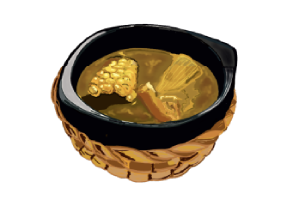
Goat is also used to make a variety of other delicious dishes that you can enjoy for lunch in restaurants in Riohacha or the towns along this route: Uribia, Manaure, Barrancas, Fonseca, San Juan del César, and others. For example, look for stewed goat with coconut milk, roasted goat, goat soup, or goat with rice and cecina. The cecina is prepared by drying the goat meat in the sun, removing excess salt, then shredding it and mixing it with garlic, scallions, and black pepper, which is then added to the rice. At the restaurant Jikuün Wayúu Jemetsu (which means “Delicious Wayúu food” in the Wayuunaiki dialect) at the entrance to the Resguardo Provincial, in Barrancas, where the artisan Olga Guauriyú lives, you can find these meal. Olga is also happy to cook authentic Wayúu dishes for visitors.
Flavors to discover and snack on 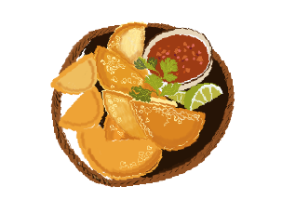
A standout dish is rice with dried shrimp. This is one of the most exquisite rice dishes in Colombian traditional cuisine. The shrimp are dried in the sun, a preservation method that, paradoxically, requires soaking them in salted water to remove the excess salt. Once rehydrated, the shrimp are mixed with rice and achiote (annatto), which gives the dish its characteristic reddish color and unique flavor. The artisan Gloria Epieyú offers this dish and other traditional meals by request, and it’s also commonly found in local restaurants.
At any time of day, you can enjoy a warm mazamorra de maíz (corn porridge), made by cooking ground corn until soft and then adding milk and a pinch of salt. You can also try cariaco corn arepas or purple corn arepas. The corn is soaked overnight, washed, drained, ground, and then kneaded with cheese before being grilled or fried until golden. Alexandra Fernández, from the Mayalita community near Fonseca, prepares these simple yet delicious dishes for visitors.
To sweeten the palate and unmissable drinks 
Near the town of Barrancas is the village of Papayal, where Malta makes traditional Wayúu sweets in her wood-burning stove. She prepares seasonal fruit preserves, such as popular squash, mango, guava, or green papaya sweets. The fruit is usually cooked with water, sugar, cloves, and cinnamon, and is often served with costeño cheese. You can also find dulce de leche in the village of El Pájaro near Manaure.
For breakfast, try cojosa, a traditional Wayúu curdled milk made by mixing fresh cow’s milk with rennet. It’s typically eaten plain or with a sweetener, or even with cooked squash or cheese. It’s very similar to yogurt.
On hot days, don’t miss agua de maíz or chicha de maíz, a refreshing beverage made by boiling dried corn kernels in plenty of water, sweetening it, and leaving it unfermented. It’s commonly served with ice. You can also find wild cherry juice or iguaraya juice. The iguaraya is a cactus fruit with deep red pulp that’s blended with water and sweetened to taste. From the heart of the cactus, another drink is made called yotojoro, also available at Gloria Epieyú’s. Lastly, don’t forget chirrinchi, a traditional cane spirit with great cultural significance for the Wayúu people.
Other local delights 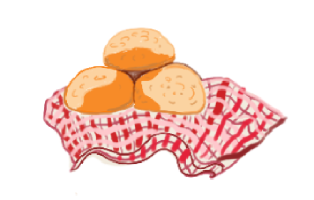
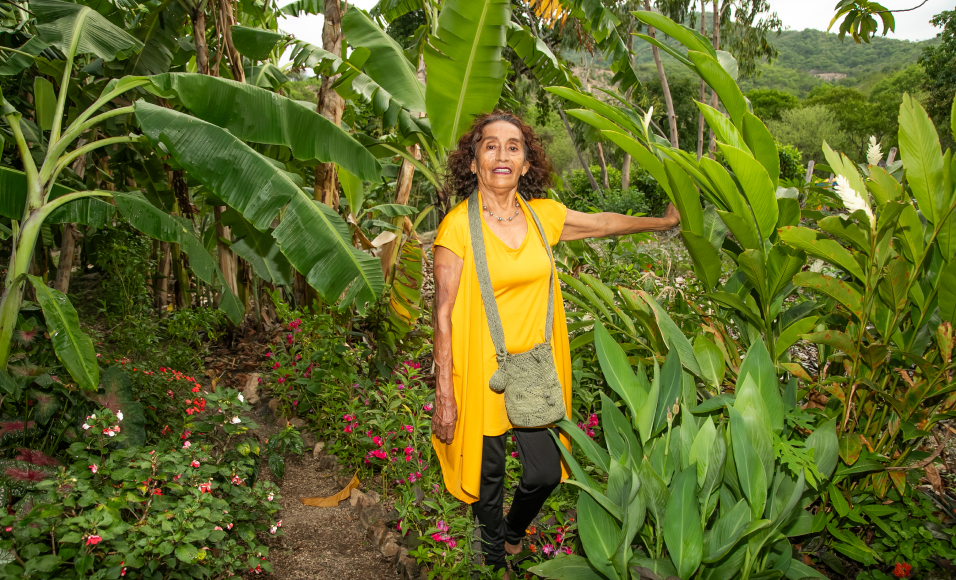
Local agriculture is reflected in crops such as cassava, plantains, corn, fruit trees, and small livestock. In the lower Guajira region, in the El Placer jurisdiction of San Juan del César, you can visit the workshop of the Wiwa artisan Mabel Esther Vega, and can ask her to prepare a delicious free-range chicken dish with ingredients from her garden.
Another favorite dish is the traditional mazamorra de plátano (plantain porridge). This dish combines ripe plantains with rice, cooked in coconut juice until all the ingredients soften. You can adjust the amount of coconut milk, as well as add sugar and cinnamon to taste. It can be served hot or cold, and Mabel will prepare this dish for visitors.
Thanks to its coastal location, La Guajira offers a wide variety of fish, such as snapper, sierra, cojinúa, or mojarra. These are often fried, grilled, pickled, made into soups, or stewed with a delicious sauté of onions, tomatoes, sweet peppers, and achiote. These dishes are usually served with patacones (fried green plantains), salad, and rice with guajiro beans, a variety that has been cultivated in the region for generations and is essential to local diets, which is also used in soups with cecina and pumpkin. You can find these dishes at Matriarca restaurant in Uribia or El Rancho de Nancy in Manaure. Be sure to pre-order these dishes when visiting the artisan Cenaida Pana in Uribia.
Seafood is also widely available, including lobster, shrimp, octopus, oysters, and clams, prepared in many ways. A standout dish is salpicón, made with fresh or dried seafood or fish, which is shredded, then sautéed with annatto oil, local chili peppers, scallions, black pepper, and a touch of vinegar. Chucho or stingray Salpicón is especially popular. You can find this dish at Matriarca restaurant and with artisan Cenaida Pana in Uribia.
For lunch, another favorite is malangada, a stew made with free-range chicken and chunks of malanga (a tuber similar to yam). You can find this dish in the market squares and restaurants throughout La Guajira.
Route acknowledgement


Denominación de Origen
Important information for your trip





Pueblo Patrimonio
La Red Turística de Pueblos Patrimonio de Colombia es un programa especial del Ministerio de Comercio, Industria y Turismo, ejecutado por FONTUR, que trabaja con 17 municipios de Colombia que poseen declaratoria de Bien de Interés Cultural (BIC) a nivel nacional para su valoración y proyección mediante el turismo, generando así más oportunidades de desarrollo y sostenibilidad en las comunidades.
La Medalla a la Maestría Artesanal es un galardón que Artesanías de Colombia entrega anualmente, con el cual se hace un reconocimiento a aquellos artesanos, empresas y comunidades artesanales que, contando con una trayectoria destacada, sobresalen a nivel nacional por su excelencia en el oficio así como por preservar el quehacer artesanal.
Denominación de Origen
Es un signo distintivo que identifica productos reconocidos o famosos por tener una calidad o características específicas derivadas esencialmente del lugar de origen y la forma tradicional de extracción, elaboración y producción por parte de sus habitantes. La protección conferida sobre una Denominación de Origen implica que ninguna persona puede identificar con la denominación protegida productos iguales o similares a los amparados, cuando no provengan del verdadero lugar y no cumplan con las características o calidades que le han dado la reputación al producto reconocido. Las Denominaciones de Origen para productos artesanales colombianos que han sido protegidas por la Superintendencia de Industria y Comercio en nuestro país son actualmente 13.



No puede copiar contenido de esta página